
When we talk about migratory animals, most people think of birds. But above our heads -- often unnoticed -- an equally fascinating natural phenomenon is unfolding. Butterflies, dragonflies and other insects go on journeys that can extend over several thousand kilometers, some even over open seas. The lecture takes you into this hidden world and presents some of the most impressive migratory insects, both from abroad and Denmark today.
But the story doesn't stop here. In the mollerklins at Nordmors there are 55-million-year-old insect fossils preserved in the mud of the seabed from a time when both Mors and Denmark were under water. It is this seabed sludge that has later turned into piers. New research in which the museum is involved points to the fact that insects that could move over great distances also existed at that time. Some of the most impressive insect fossils are on display at the Fossil and Moler Museum.
The lecture is a narrative of migration -- before and now -- and of nature's astonishing ability to move, adapt and survive.
The lecture is given by Museum Inspector, PhD Jan Audun Rasmussen.
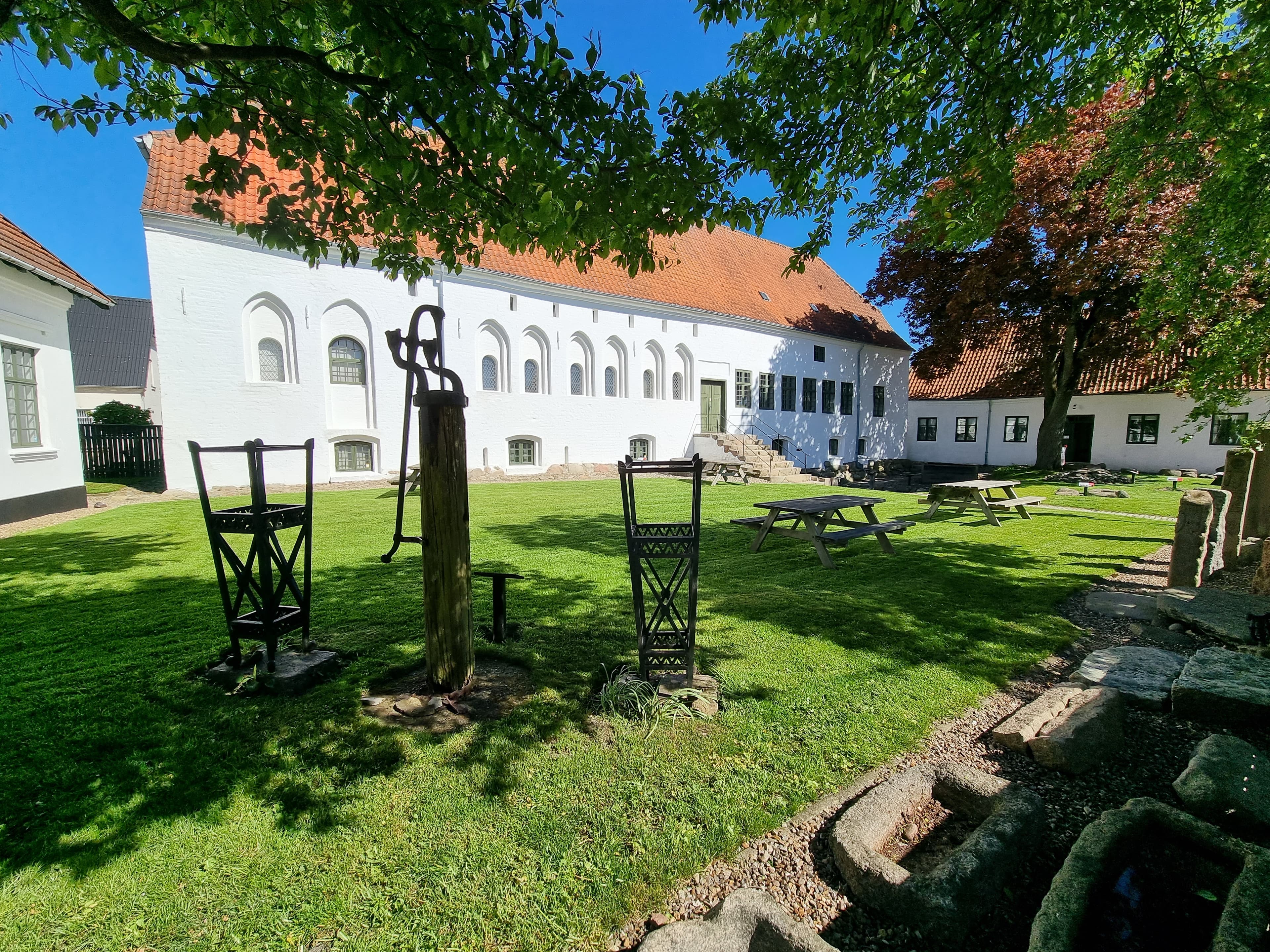
Museum Mors is a state-recognized cultural history and geological museum with geographical responsibility for Morsø Municipality. The museum was founded in 1901 and moved in 1909 to Dueholm Kloster, where it still has its main address and administration. The old market town museum was expanded from the 1980s with several departments. In 2025, the museum consists of Dueholm Monastery, Morsø Local History Archive, Fossil and Moler Museum and Foundry Museum.